ITTC Blog and News Centre
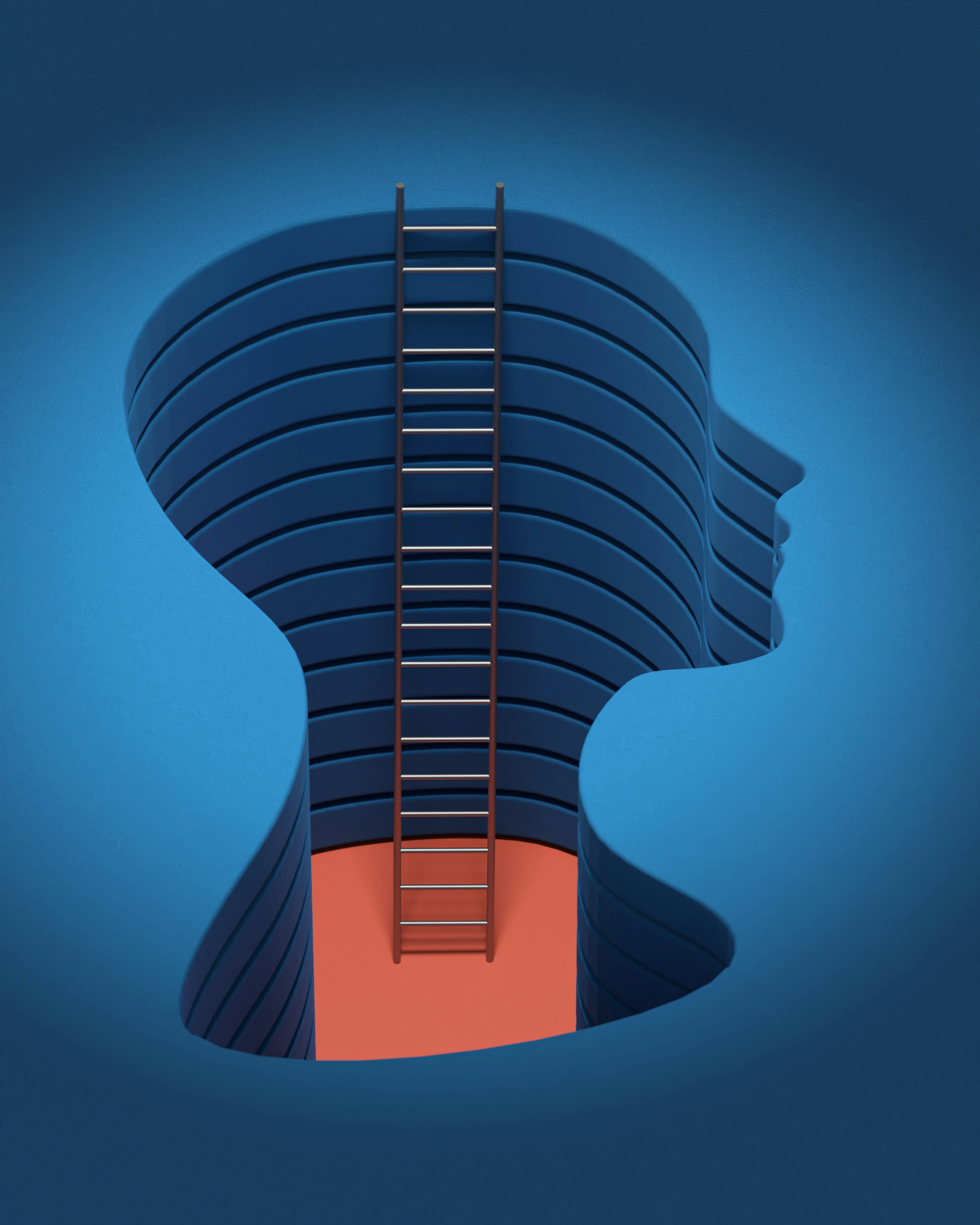
Introducing our 4-Day Intensive Personality Disorder Program for BPD in Brisbane
We're thrilled to announce that the Intensive Trauma Treatment Centre in Brisbane has launched two personality programs based on the PSYTREC model. Both programs can be completed in just one week (excluding the initial assessment, three preparation sessions, and follow-up reviews), but are tailored to where you are at in your journey:
-
The Intensive Program: Designed specifically for individuals carrying a formal personality disorder diagnosis who require a full immersion into reprocessing.
-
The Streamline Program: Designed for people with deeply ingrained personality difficulties or traits that cause disruption in life, but who do not cross the threshold for a formal personality or trauma disorder.
These four-day programs introduce a meaningfully different approach to how we think about personality. It blends advanced trauma protocols into a highly condensed timeframe that specifically targets the negative life experiences that drive maladaptive personality traits.
Crucially, our program is done entirely on an outpatient basis. This means clients can access this deep work without needing a hospital stay. This rapid, compressed format is a game-changer for people who need to travel for therapy, such as rural and interstate clients, FIFO shift workers, or anyone who simply wants to get in, do the work, and get on with living their life.
However, the programs aren’t just about "fixing trauma" in the traditional sense. They represent a fundamental shift in how we understand personality development itself.
.jpg)
Understanding Personality Disorder Treatment (BPD and others)
From Long-Term Management to Rewiring Your Mind
For decades, receiving a diagnosis of Borderline Personality Disorder (BPD) or another personality disorder meant preparing for a long, exhausting journey. Traditional treatments are famously long, demanding, and require massive amounts of energy from both the individual and their care team.
But the landscape of mental health is shifting dramatically. Today, we are seeing brilliant innovations that make care more accessible, alongside a radical rethinking of why personality challenges develop in the first place.
Let’s look at how the traditional gold standard compares to an exciting new Australian framework, an intensive European approach, and a look at how shifting core beliefs can change everything – even if you don't have a history of major trauma.
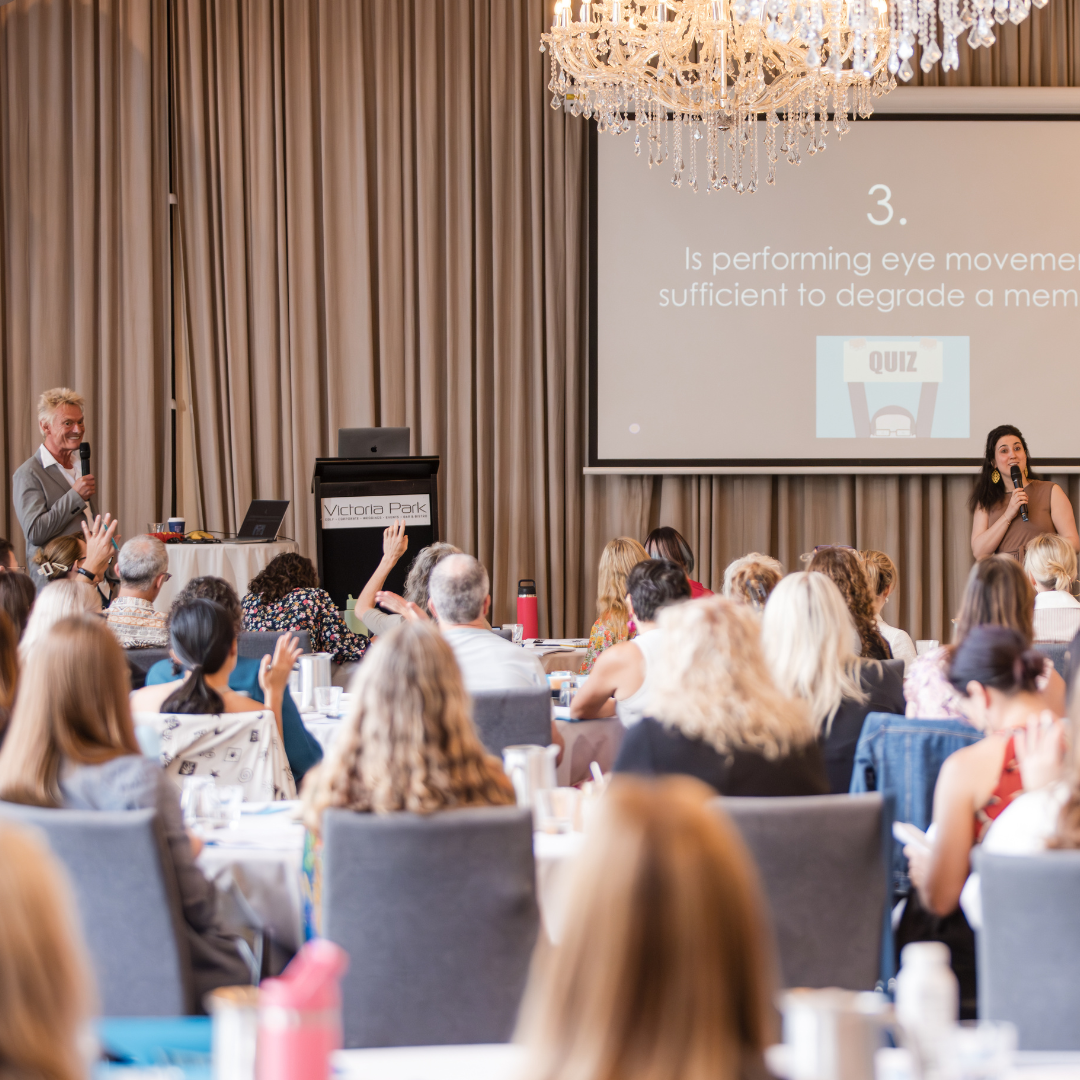
EMDR 2.0 Workshop Brisbane Wrap-Up
In February 2026, the Intensive Trauma Treatment Centre (ITTC) hosted an EMDR 2.0 workshop at Victoria Park, Brisbane, led by two of the world's most established trauma therapy researchers, Ad de Jongh and Dr. Suzy Matthijssen, who travelled from PSYTREC in the Netherlands.
.png)
What is Prolonged Imaginal Exposure (PE)?
Prolonged Imaginal Exposure is a well-established, evidence-based therapy used to treat trauma. In PE, you are gently guided to revisit and describe a traumatic memory in a safe, structured way, usually out loud, in the present tense, and in detail, during sessions.
Rather than avoiding the memory, you intentionally approach it with the support of your therapist. This process is repeated over time, allowing your brain and body to process the experience differently.

Understanding EMDR and EMDR 2.0
Summary
What's the difference between EMDR and EMDR 2.0? And what might be right for you? EMDR stands for Eye Movement Desensitisation and Reprocessing and is an evidence-based psychotherapy that helps the brain process distressing or traumatic memories.
It uses bilateral stimulation (guided eye movements, tapping, or gentle alternating pulses) while briefly recalling a memory. This helps the brain “unstick” experiences that feel overwhelming.
In this blog, we'll break it down so you can understand the latest in EMDR theory and application in Intensive settings.
.gif)
The Intensive Trauma Treatment Centre is officially open in Brisbane
After months of purposeful work, the ITTC marked its official opening, bringing together clinicians, partners, and frontline services around a shared commitment to evidence-based trauma care.
What Is Intensive Trauma Therapy - And How Does It Work?
Summary
When it comes to treating trauma, many people assume therapy must take months or even years. But recent research and clinical practice are challenging that idea with intensive trauma therapy showing powerful results in just days or weeks. So, what exactly is intensive trauma therapy? And why does it seem to work so well when treating PTSD and C-PTSD? This blog breaks it down for you.
.png)
What’s the difference between PTSD and C-PTSD?
Summary
Psychological trauma impacts many Australians. The effects can often go unnoticed by the public because the symptoms are not always immediately obvious to others. The symptoms typically impact a person’s perception of themselves and the world, and the impacts can be experienced at work, home, and personal relationships.
It’s estimated that 75% of Australian adults will experience a traumatic event in their lifetime, while 11% may go on to experience posttraumatic stress disorder (PTSD). Complex PTSD (C-PTSD), although less researched than conventional PTSD, is believed to impact 4% of Australians.
What constitutes PTSD versus C-PTSD often confuses people. This is understandable because C-PTSD was not officially defined until 2018. This article aims to outline the differences between PTSD and C-PTSD symptoms, followed by discussing how the conditions are diagnosed and the available treatment pathways.
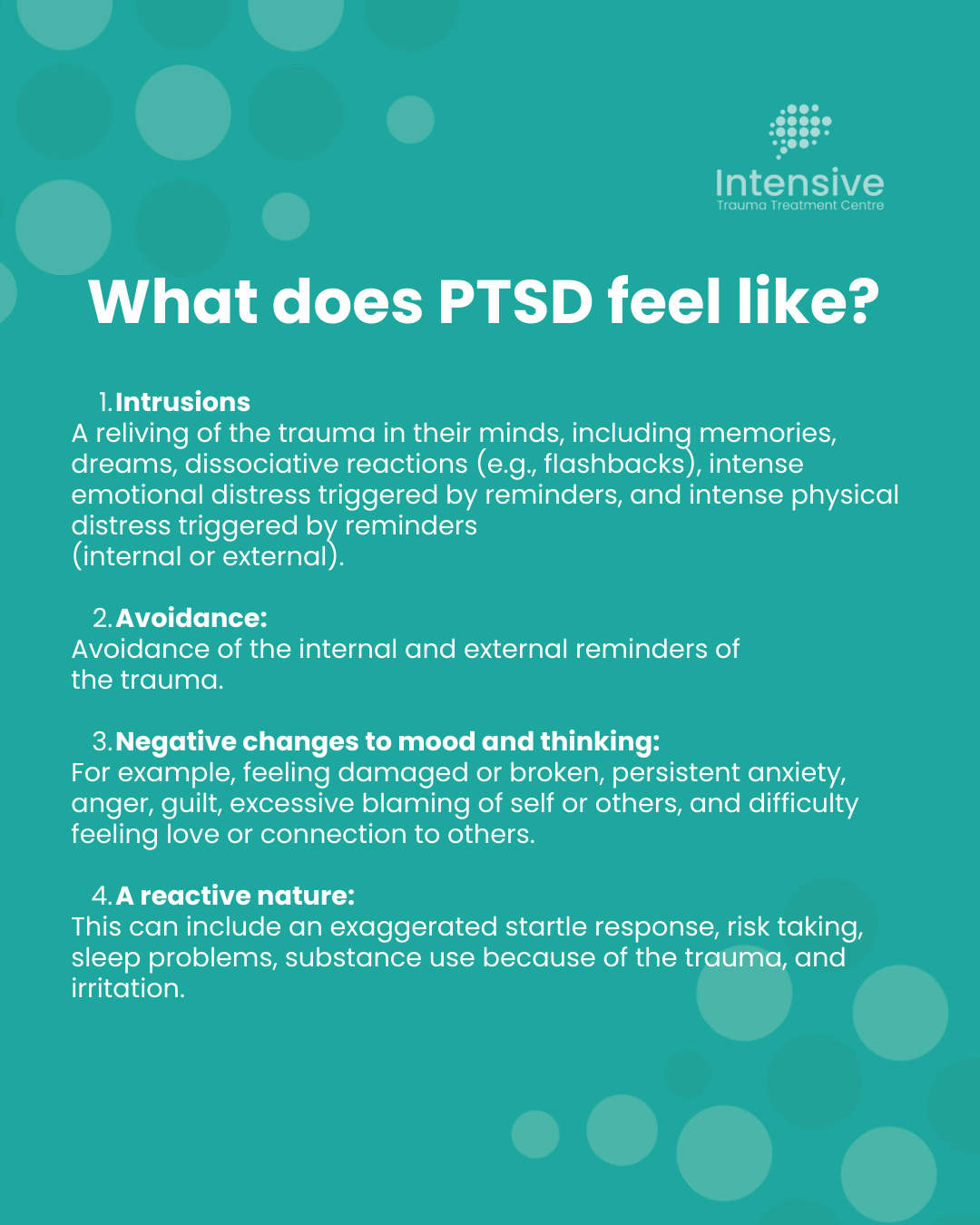
So, what is PTSD?
PTSD is the development of certain symptoms following exposure to one or more traumatic events.
Trauma is defined as exposure to actual or threatened death, serious injury, or sexual violence. It can be experienced directly, witnessed by another, or learned about as happening to a close family member or friend.
Some negative life experiences can cause PTSD-like symptoms, but the event might not fit the definition of a ‘trauma.’ For example, discovering a partner’s affair, bankruptcy, and bullying can be traumatic and therefore cause the same or similar symptoms to PTSD despite not technically being a ‘trauma.’
People will often be diagnosed with Adjustment Disorder if the symptoms are caused by negative life events that do not meet the official definition of trauma.
How is PTSD diagnosed?
PTSD is typically diagnosed in a therapeutic setting, such as with a GP, Psychiatrist, Psychologist, Paediatrician, and/or mental health team. The primary assessment method is a ‘Clinical Interview’ or ‘Consultation’. A clinical interview is a discussion about the patient’s personal history and current symptoms, such as when the symptoms started, what makes the symptoms better or worse, and how the symptoms affect everyday life. The discussion can be in person or via telehealth.
Some doctors might check for medical conditions that could be contributing to the symptoms, such as requesting blood tests to check for thyroid problems. Some psychologists will use questionnaires to evaluate the range and severity of symptoms.
Throughout the diagnostic process, the health professional will consider whether other factors are causing or contributing to the symptoms. This is important because an accurate diagnosis is critical to developing an accurate treatment plan. For example, OCD and PTSD can sometimes look similar. Both conditions can feature intrusive and distressing thoughts about personal safety, avoidant behaviour, and significant anxiety. Despite looking similar, how the conditions are treated can be extremely different, so an accurate diagnosis is essential.
Finally, a diagnosis can only be made if the symptoms persist for more than one month, and the symptoms cause significant distress and/or interference in everyday functioning.