Introducing our 4-Day Intensive Personality Disorder Program for BPD in Brisbane
May 25th, 2026
We're thrilled to announce that the Intensive Trauma Treatment Centre in Brisbane has launched two personality programs based on the PSYTREC model. Both programs can be completed in just one week (excluding the initial assessment, three preparation sessions, and follow-up reviews), but are tailored to where you are at in your journey:
-
The Intensive Program: Designed specifically for individuals carrying a formal personality disorder diagnosis who require a full immersion into reprocessing.
-
The Streamline Program: Designed for people with deeply ingrained personality difficulties or traits that cause disruption in life, but who do not cross the threshold for a formal personality or trauma disorder.
These four-day programs introduce a meaningfully different approach to how we think about personality. It blends advanced trauma protocols into a highly condensed timeframe that specifically targets the negative life experiences that drive maladaptive personality traits.
Crucially, our program is done entirely on an outpatient basis. This means clients can access this deep work without needing a hospital stay. This rapid, compressed format is a game-changer for people who need to travel for therapy, such as rural and interstate clients, FIFO shift workers, or anyone who simply wants to get in, do the work, and get on with living their life.
However, the programs aren’t just about "fixing trauma" in the traditional sense. They represent a fundamental shift in how we understand personality development itself.
Adaptive vs. Maladaptive Personality Traits
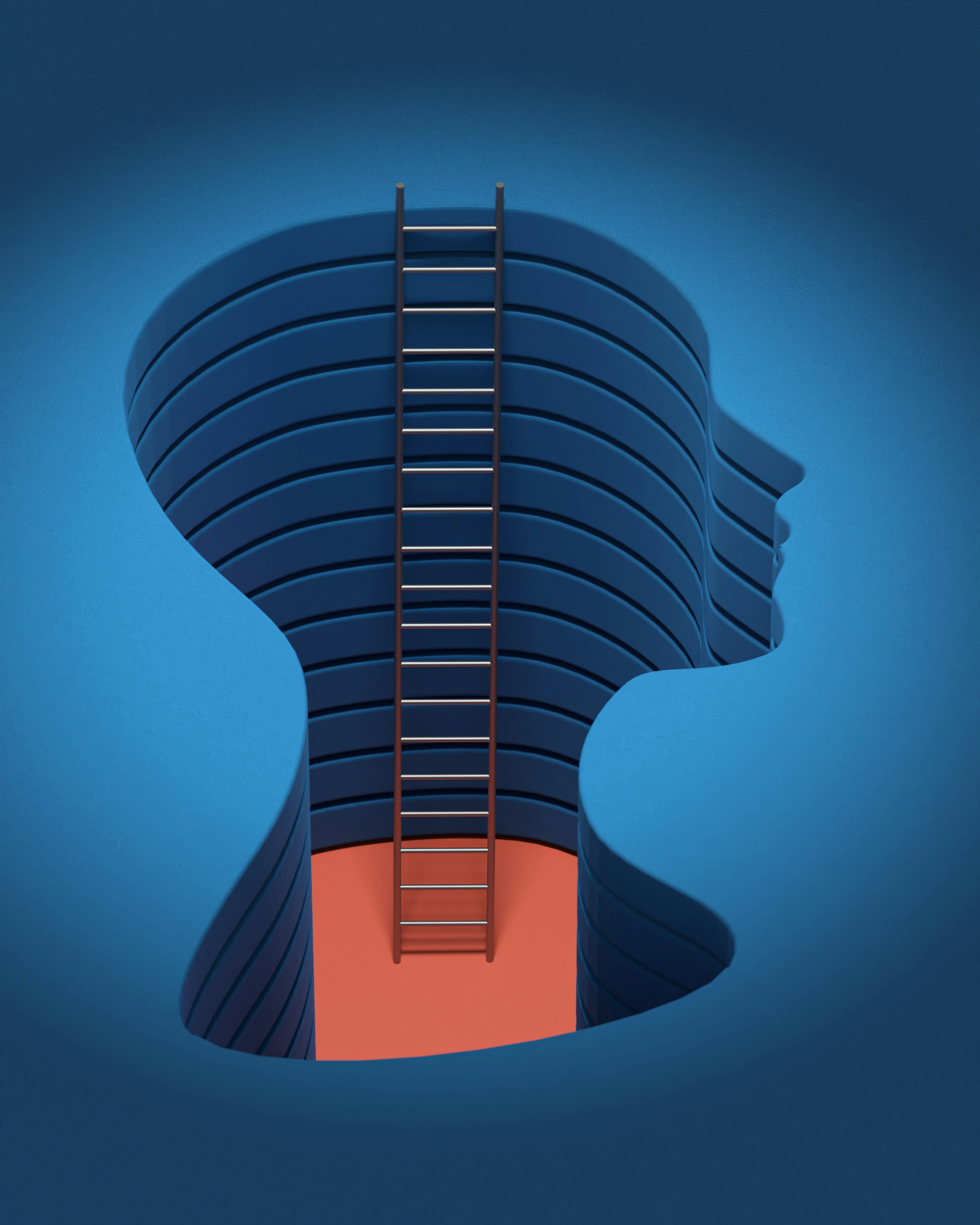
An adaptive personality means a person has flexible ways of thinking and reacting that help them navigate life's ups and downs. A maladaptive personality relies on rigid coping patterns that cause ongoing distress. Crucially, these "maladaptive" traits usually start as brilliant, necessary survival strategies in response to earlier adversity. They were completely adaptive in that painful environment, but they become a problem when they persist outside of it.
For example, a child growing up with a highly volatile, abusive parent learns to hyper- analyse every footstep or change in tone of voice, and they might learn to lash out first or completely shut down to protect themselves from harm. In that unsafe house, those traits were adaptive because they kept the child safe. However, if that person carries those same rigid habits into adulthood, they become maladaptive. When a loving partner or a supportive boss uses a slightly tired tone of voice, the person’s internal survival coding screams that they are in imminent danger, causing them to aggressively push the partner away or abruptly quit their job. What was once a life-saving shield becomes a barrier to a happy life.
Crossing the Threshold: From Maladaptive Traits to a Diagnosis
So, when do these traits cross the line into a formal Personality Disorder?
It usually comes down to how severe, rigid, and widespread the patterns are, and how much they disrupt your ability to function in daily life, work, and relationships. When these survival habits completely take over and cause severe, ongoing distress across all areas of life, it meets the threshold for a PD diagnosis.
However, many people have deeply ingrained maladaptive traits that don't quite cross that official diagnostic line. Because they don't fit perfectly into a BPD box, they often get bounced around the healthcare system for years with vague labels like "mixed anxiety and depression." Traditional talk therapies may fail them because standard talking therapies treatments don't target the underlying survival wiring. We need to help these individuals too, because their suffering is just as real, and their core beliefs are just as stuck.
Designed For Everyone, With or Without PTSD
Many people assume that to benefit from advanced, trauma-focused techniques, you must have a formal diagnosis of Post-Traumatic Stress Disorder (PTSD) stemming from a massive, life-threatening event (like a natural disaster or severe accident). Our program is different. It is explicitly designed for individuals both with and without concurrent PTSD. We uniquely target Criterion A and non-criterion A memories.
A Criterion A event is an experience that involves actual or threatened death, serious injury, or sexual violence, such as a sexual assault, serious accident, or life-threatening event. These experiences can lead to PTSD.
A non-Criterion A event does not meet the formal definition of trauma used in PTSD diagnosis.
Examples include neglect, bullying, racism, homophobia, emotional abuse, or chronic rejection. While these experiences are not classified as trauma in the PTSD sense, they can still have a profound psychological impact and leave lasting emotional wounds that may resemble the effects of trauma.
In our program, we view personality disorders and maladaptive traits as the sum of the survival strategies and core beliefs you formed to get through life. The emotions, behaviours, and thoughts might have been appropriate and helpful previously, but they become maladaptive if they persist outside that environment where they no longer protect you. We use evidence-based tools originally designed for PTSD — but adapted to treat deep-seated thoughts, feelings and behavioural patterns that make life difficult.
Transforming the "Adverse Life Experience"
You do not need a history of catastrophic trauma to have an injured view of yourself or the world. Personality struggles are very frequently born from more general, repetitive adverse life experiences, such as:
- Repeated emotional or physical neglect
- Chronic childhood bullying
- Systemic racism or homophobia
- Growing up feeling invisible, unsafe, or fundamentally "different"
When a person experiences these difficulties repeatedly, their brain adapts by forming rigid core beliefs: "I am unsafe," "I am unlovable," "People will always leave me," or "I am fundamentally broken." By using a condensed 4-day outpatient format of EMDR 2.0 and exposure therapy concepts, we aren't just teaching you how to ride out the emotional storms caused by these beliefs (like DBT).
Instead, we are actively targeting the roots. We help the brain process those old, painful life events so you can fundamentally shift how you think and feel about yourself, others, and the world around you today.
Moving toward recovery doesn't have to mean signing up for years of symptom management. Whether through the vital, accessible systems being championed by Professor Rao in Australian hospitals, or through intensive, belief-shifting outpatient protocols, real and rapid change is entirely possible.
We are now taking interest in our Personality Disorders' Program.